When Your Parent Is Diagnosed with Spinal Stenosis
What to know and the first five steps to take when a parent is diagnosed with lumbar spinal stenosis.
What you need to know as a family member after the diagnosis
What You'll Learn
What spinal stenosis is (a summary for family members)
What to do first after the diagnosis
Warning signs every family member should recognize
Why it helps to be involved instead of "leaving it to the doctor"
Tips for talking with your parent about their condition
1. "Your Parent Has Spinal Stenosis" — What Now?
First, Take a Breath
When a doctor tells your parent, or you, "It's spinal stenosis," it's natural to feel worried. These facts may help:
Fact
What it means
It's extremely common
Millions of people have it. Roughly 10% of adults over 60 are affected
It's not life-threatening
Unlike cancer, spinal stenosis does not endanger your parent's life
There are many treatment options
Medications, rehabilitation, injections, surgery, SCS, and more
Many do well without surgery
In mild to moderate cases, about 50–60% have a satisfactory result over 10+ years (Japanese LSS guideline 2021)
Still, it shouldn't be ignored. With proper treatment, pain and walking difficulties can be managed or prevented from getting worse.
The Basics — A Simple Explanation for Families
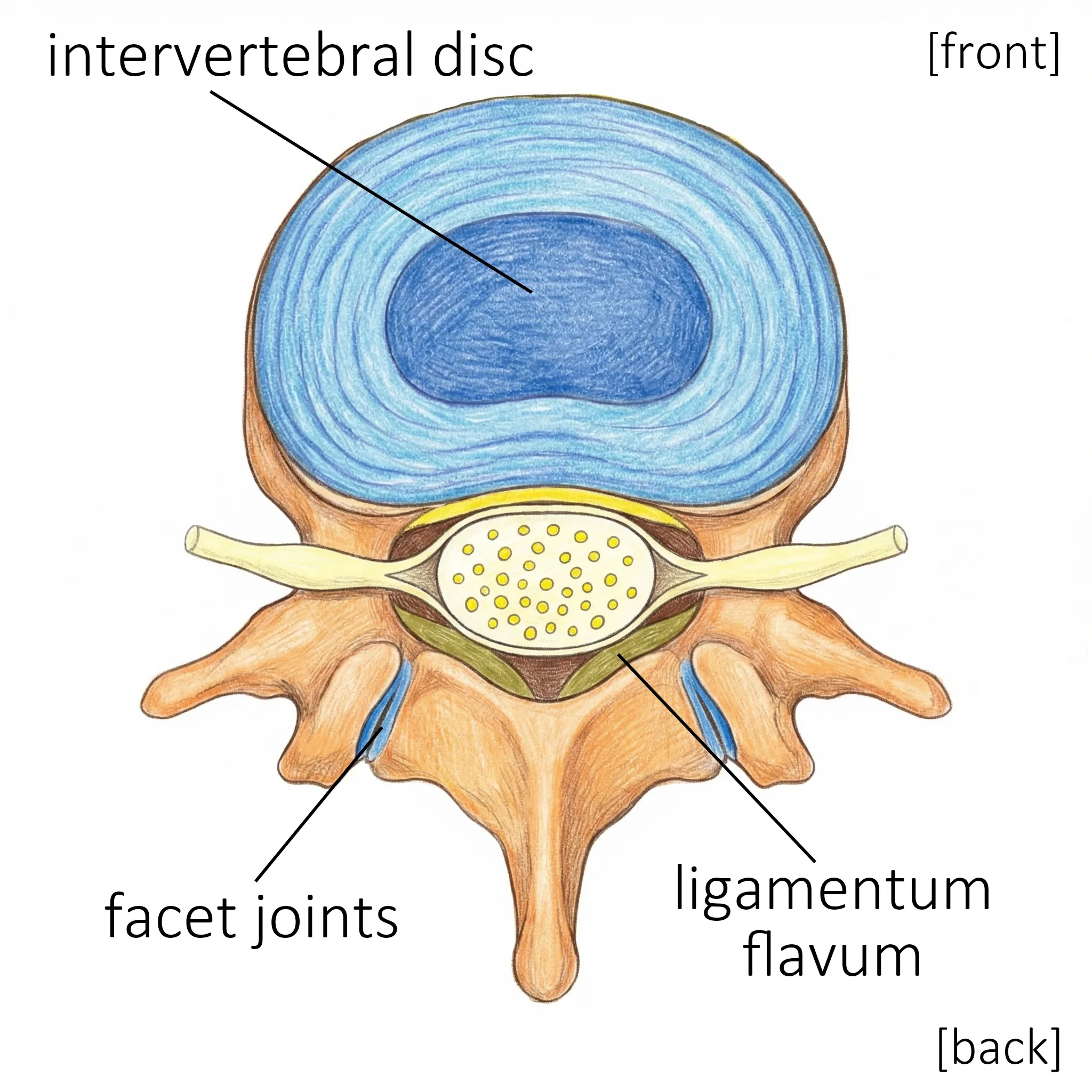
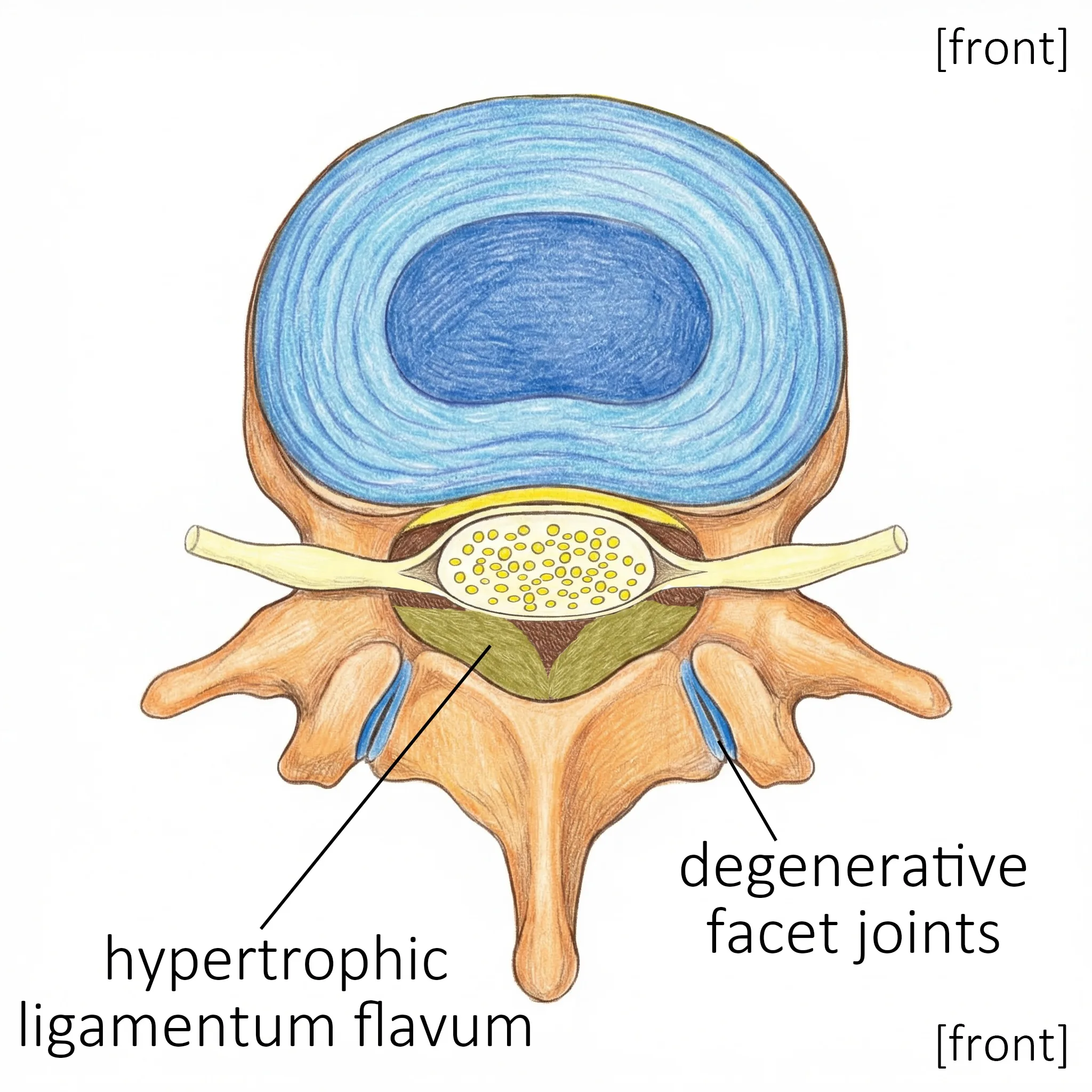
Inside the spine, there is a "tunnel" (the spinal canal) through which nerves travel from the brain down to the legs. Over time, the bones and ligaments around this tunnel thicken and change shape, and the tunnel becomes narrower. When it becomes narrow enough to squeeze the nerves inside, this is spinal stenosis.
Normal spinal canal
Stenotic spinal canal
The hallmark symptoms are:
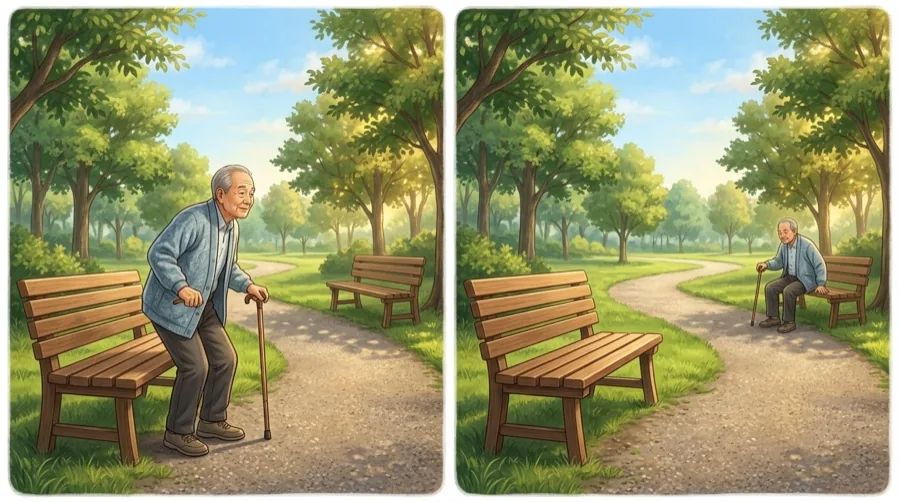
Intermittent claudication: leg pain or numbness that comes on after walking a short distance and goes away with rest
Numbness in the legs: a tingling sensation, similar to "pins and needles" after sitting cross-legged
Lower back pain, although back pain alone does not necessarily mean stenosis
If your parent went to the appointment alone, they may not remember everything the doctor said. Try to attend the next appointment together.
Questions to ask the doctor:
Question
Why it matters
Where exactly is the stenosis? (Which vertebral level?)
Directly affects which treatments are suitable
Is it cauda equina type or nerve root type?
The type determines which medications and treatment strategies are best
Is surgery needed at this point?
Understand whether it's urgent or whether conservative treatment is appropriate for now
How long should we try conservative treatment before reassessing?
Know when the next decision point is
2. Start Tracking Symptoms
Ask your parent, "How are things today?" and help them keep a simple record:
Walking distance: "Needed to rest after 100 meters today" or "Walked 500 meters today"
Pain level: on a scale of 0 to 10 (0 = no pain, 10 = worst pain imaginable)
Numbness location: where exactly do they feel numbness?
With this record, it is much easier to talk with the doctor and to judge whether treatment is working.
3. Review the Living Environment
Some changes can be made right away:
Situation
What helps
Grocery shopping
Use a shopping cart (leaning forward on it provides relief)
Walking outside
A rollator walker or cane. Identify places to rest along the way
Cycling
The forward-leaning position often makes cycling more comfortable than walking
Around the house
Install handrails in hallways; consider a raised toilet seat
Sleeping
Lying on the side with knees bent often brings relief
4. Tell Them: "It's Okay to Speak Up About Pain"
Many older adults firmly believe that "enduring pain is just what you do." This is especially common in men.
With chronic pain, putting up with it does not help. Suffering in silence can cause the nervous system to become hypersensitive, leading to chronic pain that is much harder to treat.
Try saying something like this:
"It's okay to say it hurts. The sooner you tell your doctor, the more treatment options you'll have."
5. Research Treatment Options Together
Instead of "leaving it all to the doctor," take time to learn about the available treatments together. Every treatment has its pros and cons, and the best choice depends on your parent's age, physical condition, and lifestyle.
3. Warning Signs Every Family Member Should Know
If any of the following symptoms appear, see a spine specialist promptly:
About this site
This site is supervised by an orthopedic surgeon and provides evidence-based information for patients with spinal stenosis and their families. All articles are based on current clinical guidelines and real-world clinical experience.
This page provides medically accurate information, but it is not a substitute for professional medical advice. Please consult your doctor for diagnosis and treatment tailored to your individual situation.